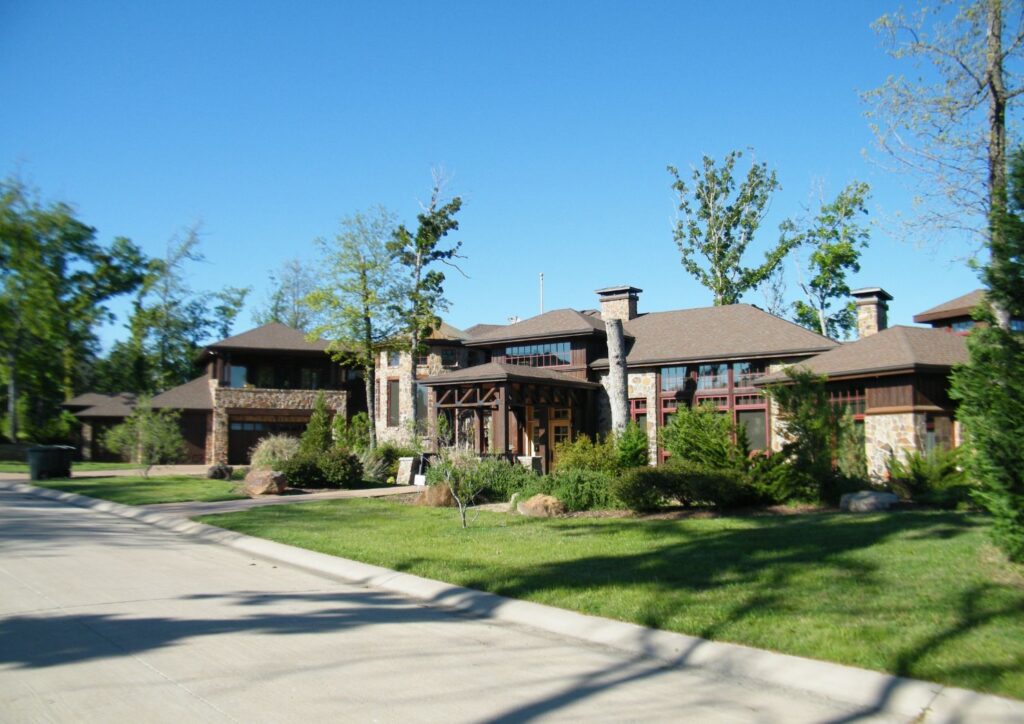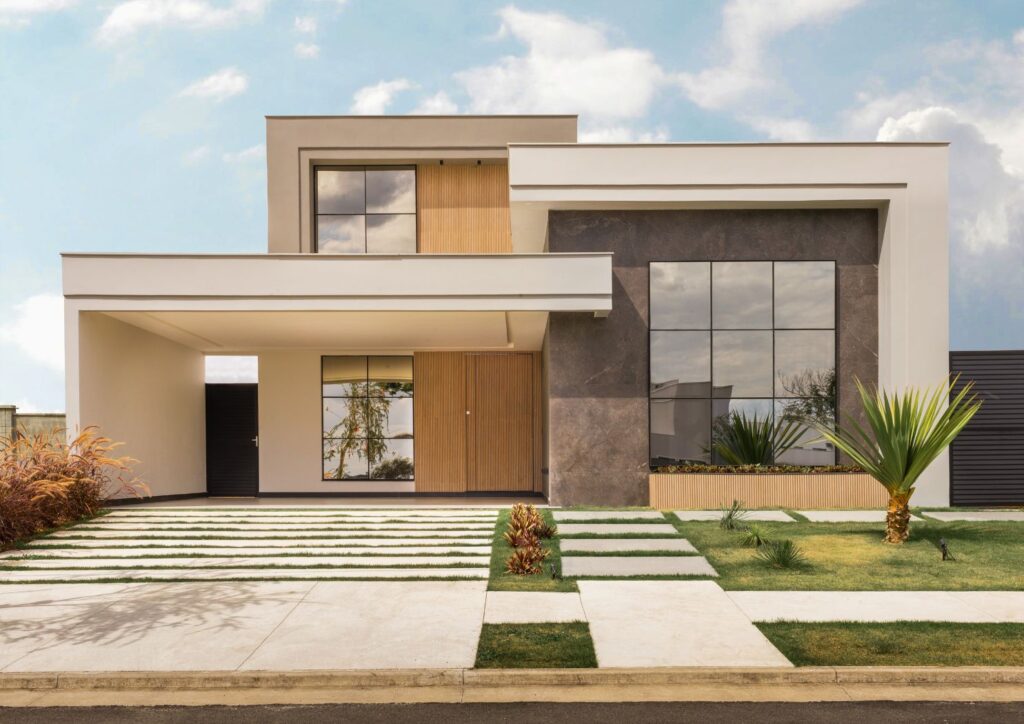
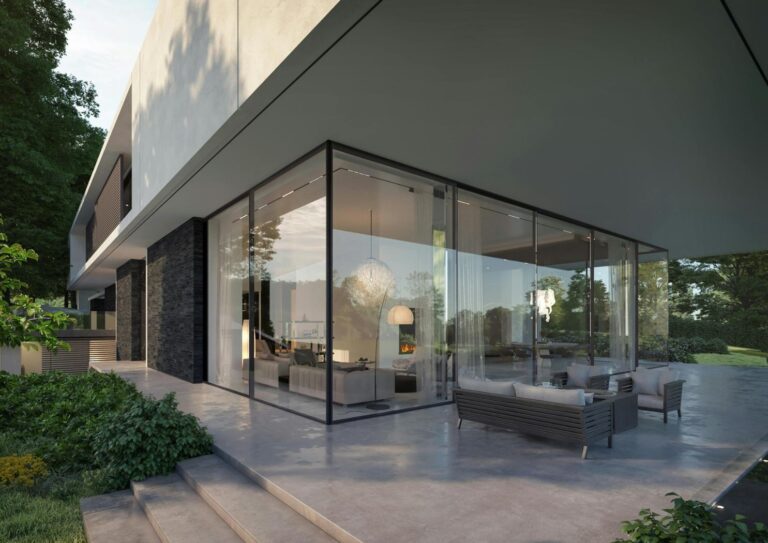
In 2025, Europe’s property market is undergoing a profound transformation—one that prioritizes not only luxury and location, but sustainability. Eco-friendly homes—once a niche for the environmentally conscious—are now a central feature of mainstream housing development, buyer expectations, and investment strategy.
As governments push for carbon neutrality and residents demand cleaner, healthier living spaces, the rise of green real estate is no longer a trend—it’s the new standard.
From the fjords of Norway to the vineyards of southern France, eco-conscious design and construction are redefining how Europeans build, buy, and live in their homes. In this deep-dive report, Stellar Agency explores the data, drivers, innovations, and opportunities behind the continent’s sustainable property boom.
Chapter 1: Defining Eco-Friendly Homes
What Makes a Home “Eco-Friendly”?
Eco-friendly or green homes are residential buildings designed to reduce environmental impact throughout their lifecycle—from materials and construction to energy use and waste reduction. Core features include:
-
Renewable energy systems (solar panels, geothermal heat pumps)
-
High-efficiency insulation and windows
-
Water-saving technologies (dual-flush toilets, greywater reuse)
-
Sustainable building materials (recycled steel, bamboo, low-VOC paints)
-
Smart home systems to optimize energy use
-
Passive design principles (orientation, shading, thermal mass)
The European Green Mandate
Europe is committed to becoming the world’s first climate-neutral continent by 2050. The European Commission’s “Fit for 55” legislative package requires:
-
55% emissions reduction by 2030
-
All new buildings to be zero-emission by 2030
-
A deep retrofit of at least 35 million buildings by 2030
These regulations are reshaping construction, retrofitting, and real estate valuation across the continent.
Chapter 2: Why Buyers Are Choosing Green
1. Rising Energy Costs
The war in Ukraine, coupled with post-pandemic inflation, has driven energy prices to record highs. Homeowners now prioritize energy efficiency to manage monthly bills.
A typical eco-home in Germany, for example, saves €1,800 annually on heating and electricity compared to conventional homes built pre-2000.
2. Health and Well-being
Indoor air quality, natural lighting, and toxin-free materials contribute to physical and mental well-being. These features are especially attractive to families with children, elderly buyers, and health-conscious professionals.
3. Climate Anxiety & Ethical Living
A 2024 Eurobarometer survey found that 72% of European millennials consider environmental impact before making major purchases, including real estate. For them, owning a home means taking part in a global solution—not contributing to the problem.
Chapter 3: Government Support and Tax Incentives
Europe-Wide Policies Fueling Growth
Across the EU and EFTA countries, eco-friendly homes are being incentivized through:
-
Green Mortgage Programs (lower rates for energy-efficient homes)
-
Zero-VAT Renovation Grants
-
Solar Subsidies
-
Property tax rebates for high EPC-rated homes
-
Fast-tracked planning permits for passive homes
Country Spotlight:
-
France: MaPrimeRénov program offers up to €20,000 for energy-efficient upgrades.
-
Spain: NextGen EU funding is pouring into eco-retrofitting older apartment blocks.
-
Germany: KfW Green Building Loans offer rates as low as 0.1%.
-
Netherlands: All residential landlords must meet energy label B by 2030.
These government pushes make eco-investment not just an ethical move—but a smart financial one.
Chapter 4: Top European Cities for Eco-Friendly Living
Eco-development is not limited to capital cities. Here’s where green living is thriving in 2025:
1. Copenhagen, Denmark
-
Biodiverse neighborhoods
-
District heating networks
-
World-class bike infrastructure
2. Freiburg, Germany
-
Known as Europe’s “greenest city”
-
Passive homes and car-free districts like Vauban
3. Valencia, Spain
-
Green rooftop incentives
-
Net-zero social housing pilot programs
-
A rapidly growing expat community demanding sustainability
4. Ljubljana, Slovenia
-
First European Green Capital
-
Waste-free neighborhoods and energy-neutral townhouses
5. Bordeaux, France
-
Eco-districts like Ginko
-
Solar energy and wooden architecture blend with modern urban living
Chapter 5: Technologies Powering the Eco-Home Boom
1. Solar and Microgrid Systems
Advances in photovoltaic technology now allow even apartment buildings to generate and store their own energy. Microgrids enable community energy sharing, slashing costs and emissions.
2. Smart Home Automation
Smart thermostats, adaptive lighting, and water leak detectors make homes more efficient while offering convenience and security.
3. Modular Construction
Prefabricated, modular homes with eco-materials reduce construction waste by up to 90% and enable rapid deployment in growing cities.
4. Carbon-Negative Materials
-
Hempcrete, mycelium insulation, and carbon-storing concrete are being used in pilot projects across Europe.
-
New regulations are encouraging developers to adopt life-cycle carbon accounting in building design.
Chapter 6: Challenges Facing the Green Home Movement
1. Initial Cost Barrier
Eco-homes can be 5–20% more expensive upfront. However, long-term savings on energy and maintenance often outweigh the premium.
2. Greenwashing Risks
Some developers market properties as “eco-friendly” without real performance. Buyers should demand:
-
Verified EPC ratings
-
LEED, BREEAM, or Passive House certifications
-
Transparent energy models
3. Retrofitting Older Housing Stock
Over 75% of European buildings were built before 1990, many without insulation or energy-efficient systems. Retrofitting them remains a logistical and financial challenge, but one that’s being tackled with EU funding and innovation.
Chapter 7: The Investment Case for Eco-Friendly Properties
Higher Demand and Faster Sales
Green homes are selling 20–30% faster than conventional homes in cities like Amsterdam, Lyon, and Kraków. Investors are recognizing that:
-
Energy-efficient homes retain value longer
-
Eco-certification attracts premium tenants
-
Regulatory compliance avoids future retrofit costs
Higher Rental Yields
Younger tenants, especially digital nomads and international professionals, are willing to pay 10–20% more for certified green rentals.
Portfolio Stability
Eco-homes face lower vacancy rates and are increasingly supported by green REITs and ESG-focused investment funds, offering institutional-grade stability to private investors.
Chapter 8: Buy, Sell, Rent—Opportunities with Stellar Agency
Buying an Eco-Home
Stellar Agency offers a curated selection of:
-
Solar-powered villas on the Spanish coast
-
Passive apartments in Poland’s emerging smart cities
-
Green lofts in Belgian eco-districts
Our listings include full EPC and sustainability disclosures so you can buy with confidence.
Selling a Green Home
Have you upgraded your property with sustainable features? Stellar’s green-focused marketing and valuation team ensures your eco-friendly home gets the visibility—and price—it deserves.
Renting Green
Whether you’re a landlord or a tenant, we help match eco-conscious residents with energy-smart rentals that reduce costs and carbon footprints.
Chapter 9: Real Stories—Green Living in Action
Lena & Joris, Antwerp, Belgium
“We moved into a timber-framed passive home last year. The house is always warm in winter and cool in summer—no central heating needed. Our bills dropped by 80%.”
Raul, Remote Worker in Valencia
“I work from home full-time, so I needed a space that was light, energy-efficient, and had good air quality. I found a smart eco-loft with Stellar—my productivity and wellbeing both improved.”
Chapter 10: Looking Ahead—The Future of Eco-Real Estate in Europe
The next five years will see:
-
Widespread mandatory retrofits
-
Rise of green co-living and co-housing models
-
More affordable eco-homes through modular design
-
Blockchain-powered green lease and carbon offset tracking
-
Circular construction principles (buildings designed for disassembly)
And as ESG (Environmental, Social, Governance) continues to dominate investment strategies, properties that aren’t green will face depreciation, stricter regulations, and buyer resistance.
Conclusion: Europe’s Homes Are Going Green—Are You?
2025 is a defining moment in the evolution of European housing. Eco-friendly homes are no longer a luxury or a niche—they are a necessity, a financial opportunity, and a commitment to the planet.
Whether you’re an investor, a homebuyer, or a renter, sustainable living is now within reach—and Stellar Agency is here to guide your journey.
Ready to Join the Green Movement?
🌍 Explore energy-efficient homes across Europe
📩 Contact our expert team for personalized property advice
🔍 View listings certified for sustainability and performance
👉 Visit: www.stellaragencyre.com
📧 Email: info@stellaragencyre.com